
Colorado Truck Citations on I-70: What You Need to Know About Chain Laws 2026 blog.

Colorado Truck Citations on I-70 Winter driving in Colorado can be treacherous, especially on Interstate 70. For commercial truck drivers, understanding chain laws isn’t just about safety—it’s about avoiding costly citations that can impact your bottom line and your safety rating. This guide breaks down everything you need to know about Colorado truck citations on I-70 related to chain requirements.
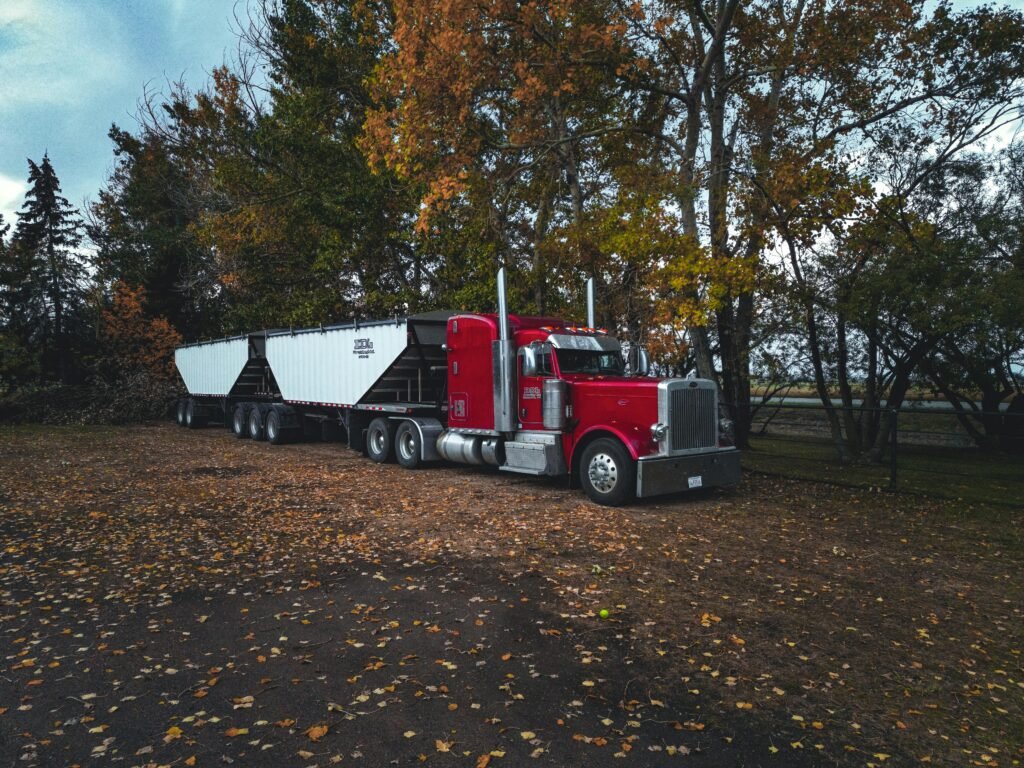
Understanding Colorado’s Traction Law/Colorado Truck Citations on I-70
Colorado’s Passenger Vehicle Traction Law and Commercial Vehicle Chain Law are designed to keep everyone safe during winter weather. While passenger vehicles have some flexibility, commercial vehicles face stricter requirements on I-70 and other mountain corridors.
When conditions deteriorate, the Colorado Department of Transportation (CDOT) implements different levels of the traction law. For commercial truck drivers, this means you need to pay close attention to current conditions and signage.
When Are Chains Required on I-70? /Colorado Truck Citations on I-70
Chain requirements on I-70 aren’t constant—they change based on weather and road conditions. CDOT uses a tiered system to manage traffic during winter weather events.
During a Code 15 (Passenger Vehicle Traction Law), passenger cars must have proper tires or carry chains, but commercial vehicles face even stricter requirements. When Law 16 goes into effect, commercial vehicles must have chains installed on their drive axles.
The most important thing to remember is this: if you’re driving a commercial vehicle over 26,000 pounds, you must carry chains on I-70 from September 1 through May 31, regardless of weather conditions. Failing to carry chains during this period can result in a citation, even on a sunny day./Colorado Truck Citations on I-70
Common Citation Scenarios for Truck Drivers /Common Citation Scenarios for Truck Drivers
Many truck drivers receive citations on I-70 for chain law violations without fully understanding what they did wrong. Here are the most common scenarios:
Not Carrying Chains During Required Months
Even if the weather is clear, commercial vehicles must carry chains between September 1 and May 31. State patrol officers conduct checks at various points along I-70, and if you can’t produce chains when asked, you’ll receive a citation.
Chains Not Installed When Code 16 Is Active
When CDOT activates Code 16, chains must be installed on your drive axles before you enter the affected area. Waiting until you’re already on the highway puts you at risk of getting stuck and receiving a citation.
Using Worn or Damaged Chains
Your chains must be in good working condition. Broken links, missing cross-members, or severely worn chains won’t pass inspection. Officers can cite you for having inadequate equipment even if you technically have chains with you.
Wrong Type of Chains for Your Vehicle
Not all chains work for all trucks. Your chains must be properly sized for your specific tire dimensions. Using chains that don’t fit correctly can lead to citations and create dangerous driving conditions.
The Real Cost of Chain Law Citations
A citation for violating Colorado’s chain laws isn’t just an inconvenience—it can have serious financial and professional consequences.
Fines for chain law violations typically range from $130 to over $650, depending on the specific violation. But the direct fine is only part of the story. Citations appear on your motor vehicle record and your company’s safety rating. For owner-operators and fleet managers, multiple violations can impact insurance rates and your ability to secure contracts.
Perhaps more importantly, if your failure to use chains contributes to an accident or traffic delay, you could face additional citations, liability claims, and even criminal charges in extreme cases.
How to Avoid Citations on I-70
Staying citation-free requires preparation, awareness, and sometimes patience.
Before You Hit the Road
Always carry chains during the required months. This seems obvious, but it’s the number one reason for citations. Inspect your chains before the winter season starts. Make sure they’re the right size, in good condition, and that you have enough sets for your configuration.
Know how to install your chains properly. Practice in good weather so you’re not learning for the first time in a blizzard on the side of I-70.
During Winter Weather
Check CDOT’s road conditions before you depart and monitor them during your trip. The COtrip website and mobile app provide real-time information about traction laws, chain requirements, and road closures.
When you see signs indicating chain laws are in effect, comply immediately. Don’t wait until conditions get worse or until you see other trucks pulled over. The chain-up areas exist for a reason—use them.
If you’re uncomfortable with the conditions, find a safe place to wait it out. No load is worth risking your safety or your license.
What Happens During a Roadside Chain Law Inspection
If you’re pulled over for a chain law check on I-70, here’s what to expect:
The officer will ask to see your chains. They’ll inspect them for proper sizing and condition. They may ask you to demonstrate that you know how to install them. If chains are required to be installed, they’ll verify they’re properly fitted to your drive axles.
Be respectful and cooperative. Having a bad attitude won’t help your situation and could make things worse. If you receive a citation, you have the right to contest it in court, but arguing with the officer on the side of the road won’t change the outcome.
Special Considerations for Different Truck Configurations
Your specific truck configuration affects your chain requirements.
Single Axle Trucks
For single drive axle trucks, you need one set of chains for that axle—two chains total, one for each tire.
Tandem Axle Trucks
Tandem axle configurations require chains on at least one of the drive axles. However, in severe conditions, officers may require chains on both drive axles.
Trailers
Standard trailers don’t require chains under Colorado law, but if you’re pulling multiple trailers or have an unusual configuration, check with CDOT to ensure compliance.
Alternative Traction Devices
Some commercial vehicles use alternative traction devices instead of traditional chains. However, these must be approved by CDOT and meet specific performance standards.
AutoSock and similar textile devices are approved for passenger vehicles but not typically accepted for commercial vehicles over 26,000 pounds. Always verify that your traction device is approved for commercial use before relying on it.
Interstate Travel: Know the Differences
If you’re traveling to or from Colorado on I-70, remember that chain laws vary by state. Wyoming, Utah, and Kansas all have different requirements and enforcement policies.
Don’t assume that complying with Colorado law means you’re good for neighboring states. Check each state’s requirements before you cross the border.
Resources for Staying Informed
CDOT provides several resources to help truck drivers stay informed:
The COtrip website and app offer real-time road conditions and chain law status. You can also call 511 from any phone within Colorado for current road information.
CDOT’s social media accounts provide updates during winter weather events. Many truck drivers find these updates helpful for planning their routes.
Commercial vehicle operators can sign up for email or text alerts about chain laws and road closures on specific routes.
Final Thoughts: Safety First, Citations Second
While avoiding citations is important, the real reason for Colorado’s chain laws is safety. I-70 through the mountains isn’t just another highway—it’s a challenging route with steep grades, sharp curves, and unpredictable weather.
Every winter, crashes and jackknifed trucks close I-70 for hours, stranding travelers and putting emergency responders at risk. Many of these incidents could be prevented if drivers properly used chains when required.
Yes, putting on chains is time-consuming and uncomfortable. Yes, it can delay your delivery. But it’s far better than causing an accident, receiving a citation, or worse.
Respect the law, respect the conditions, and respect the other drivers sharing the road with you. Your professionalism and preparation can make the difference between a successful winter season and a costly nightmare.
Stay safe out there, and keep those chains ready.
Frequently Asked Questions
Do I need chains in Colorado during summer?
No, the chain carry requirement for commercial vehicles only applies from September 1 through May 31. However, unexpected weather can occur in the mountains, so some drivers choose to carry them year-round.
Can I drive on I-70 if I don’t have chains during winter?
Not legally. Commercial vehicles over 26,000 pounds must carry chains during the required months, even in clear weather. You’ll receive a citation if you’re checked and don’t have them.
Where can I buy proper chains for my truck in Colorado?
Most truck stops along I-70 sell chains, but prices are typically higher than buying them ahead of time. Consider purchasing from commercial tire dealers before winter starts.
How long does it take to install chains?
With practice, most drivers can install chains in 10-15 minutes per axle. First-timers often take 30 minutes or more. Practice before you need them in an emergency.
Will my company’s safety rating be affected by a chain law citation?
Yes, violations appear on your motor vehicle record and can impact your company’s safety rating, especially if there are multiple violations or if the violation contributed to an accident.


Leave a Reply