
Pickup or Truck: Understanding the Difference and Which One You Need 2026

Pickup or Truck When shopping for a new vehicle or reading automotive reviews, you’ve probably encountered the terms “pickup” and “truck” used interchangeably. But are they really the same thing? The answer depends on who you ask and where you live. This guide clears up the confusion and helps you understand whether you need a pickup or truck for your specific needs.
What’s the Difference Between a Pickup and a Truck?
The confusion between pickup and truck comes down to regional terminology and technical classifications.
In everyday American conversation, “pickup” and “pickup truck” refer to light-duty vehicles with an open cargo bed and a separate cab for passengers. Think Ford F-150, Chevy Silverado, or Ram 1500. These are what most people picture when they hear either term.
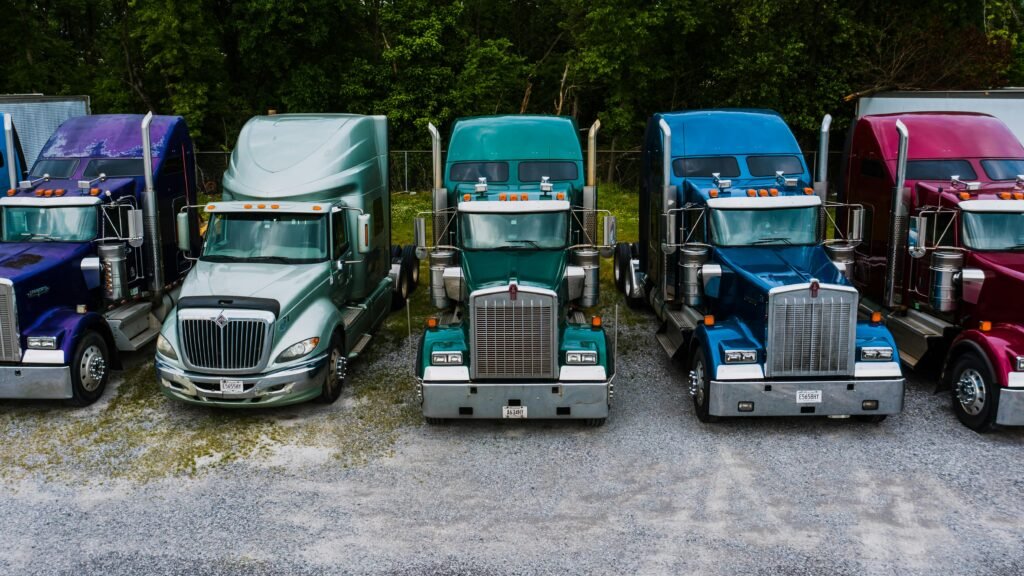
However, “truck” is actually a broader category. Technically speaking, a truck is any motor vehicle designed to transport cargo. This includes everything from small pickups to massive semi-trucks hauling goods across the country.
So when someone asks “pickup or truck,” they’re often really asking about the distinction between a pickup truck (light-duty, personal use) and a commercial truck (heavy-duty, business use). Sometimes they’re asking whether to call their F-150 a “pickup” or a “truck.” Let’s break down both interpretations.
The Terminology Debate: Regional Differences
Where you live influences what you call these vehicles.
In most of the United States, people say “pickup” or “pickup truck” when referring to light-duty trucks with beds. You might hear someone say, “I’m going to buy a new pickup,” meaning they’re shopping for an F-150 or similar vehicle.
In some regions, particularly rural areas, people simply say “truck” even when referring to a pickup. “I need to borrow your truck to move some furniture” usually means a pickup truck, not a semi.
In other countries, the terminology differs entirely. Australians call them “utes” (utility vehicles), while in some parts of the world, they’re known as “bakkies” or simply “pickup trucks.”
For clarity in this guide, we’ll use “pickup” to mean light-duty pickup trucks and “commercial truck” for heavy-duty vehicles used primarily for business.
Pickup Trucks: The All-American Workhorse
Pickup trucks are incredibly popular in the United States, consistently ranking among the best-selling vehicles year after year.
What Defines a Pickup Truck
A pickup truck typically features an open cargo bed behind the cab, a body-on-frame construction, rear-wheel or four-wheel drive, and a towing capacity ranging from 5,000 to 14,000 pounds depending on the model.
Modern pickups come in several configurations. Cab sizes range from regular cab (two doors, minimal back seat) to extended cab (smaller rear doors) to crew cab (four full doors with spacious rear seating). Bed lengths vary from short beds around five feet to long beds over eight feet.
Popular Pickup Truck Models
The Big Three American manufacturers dominate the pickup market. The Ford F-Series has been America’s best-selling vehicle for decades. The Chevrolet Silverado and GMC Sierra share similar platforms and compete directly with Ford. Ram trucks have gained significant market share with their luxurious interiors and smooth ride.
Toyota Tundra and Nissan Titan represent the Japanese entries in the full-size pickup market, while the Toyota Tacoma leads the mid-size segment.
Who Should Choose a Pickup Truck/ Pickup or Truck
Pickup trucks work well for homeowners who need to haul yard materials, furniture, or recreational equipment. Outdoor enthusiasts appreciate the versatility for camping, hunting, and off-roading. Small business owners in construction, landscaping, and similar trades rely on pickups daily. Families in rural areas often choose pickups as their primary vehicles.
The modern pickup has evolved beyond pure utility. Many models offer luxury features, advanced technology, and comfort levels that rival premium SUVs, making them suitable as daily drivers even if you don’t haul heavy loads regularly.
Commercial Trucks: Purpose-Built for Business/Pickup or Truck
When comparing pickup or truck in the commercial sense, we’re looking at vehicles designed primarily for business operations.
What Defines a Commercial Truck
Commercial trucks are built to carry or tow heavy loads as their primary function. They typically exceed 10,000 pounds gross vehicle weight rating, require commercial driver’s licenses for certain classes, and are registered as commercial vehicles with additional regulatory requirements.
These trucks range from medium-duty vehicles like box trucks and flatbeds to heavy-duty semi-trucks that haul freight across the country.
Types of Commercial Trucks
Medium-duty trucks include box trucks used for local deliveries, flatbed trucks for construction and equipment hauling, and dump trucks for landscaping and construction materials.
Heavy-duty trucks encompass semi-trucks with various trailer configurations, tanker trucks for liquid transport, and refrigerated trucks for food and pharmaceutical transport.
Who Needs a Commercial Truck
Businesses with regular freight and cargo needs find commercial trucks essential. Construction companies hauling heavy equipment rely on commercial-grade vehicles. Long-haul trucking operations require semi-trucks and qualified commercial drivers. Delivery services and moving companies need commercial trucks to operate.
Unlike pickups, commercial trucks are rarely purchased for personal use due to their size, operating costs, and licensing requirements.
Pickup or Truck: Making the Right Choice
Deciding between a pickup or truck comes down to understanding your actual needs versus your wants.
Consider Your Primary Use
Ask yourself what you’ll do with the vehicle most often. If your answer is commuting to work with occasional weekend projects, a pickup truck makes sense. If you’re running a business that requires daily heavy hauling, you need to look at commercial options.
Many people overestimate how much truck they need. That impressive heavy-duty diesel might seem appealing, but if you’re not regularly towing 15,000 pounds, you’re paying for capability you don’t use.
Evaluate Your Budget
Pickup trucks range from around 30,000 dollars for basic models to over 80,000 dollars for luxury trims. Fuel costs vary significantly, especially between gas and diesel engines. Insurance rates depend on the model, your location, and how you use the vehicle. Maintenance costs for heavy-duty pickups and commercial trucks exceed those of standard pickups.
Commercial trucks represent a much larger investment. Medium-duty trucks start around 50,000 dollars and climb quickly with specialized bodies. Semi-trucks cost 100,000 dollars or more, not including trailer costs.
Think About Daily Practicality
Modern pickups work well for daily driving, fitting in standard parking spaces and offering comfortable interiors. Many models now achieve respectable fuel economy, particularly with smaller turbocharged engines or hybrid powertrains.
Commercial trucks, on the other hand, present daily challenges. Parking requires significant space, fuel economy is poor, and maneuvering in urban areas can be difficult. These vehicles make sense only when their capabilities match your regular requirements.
The Middle Ground: Heavy-Duty Pickups
Some buyers find themselves caught between pickup or truck options, needing more capability than a standard pickup offers but not requiring a full commercial vehicle.
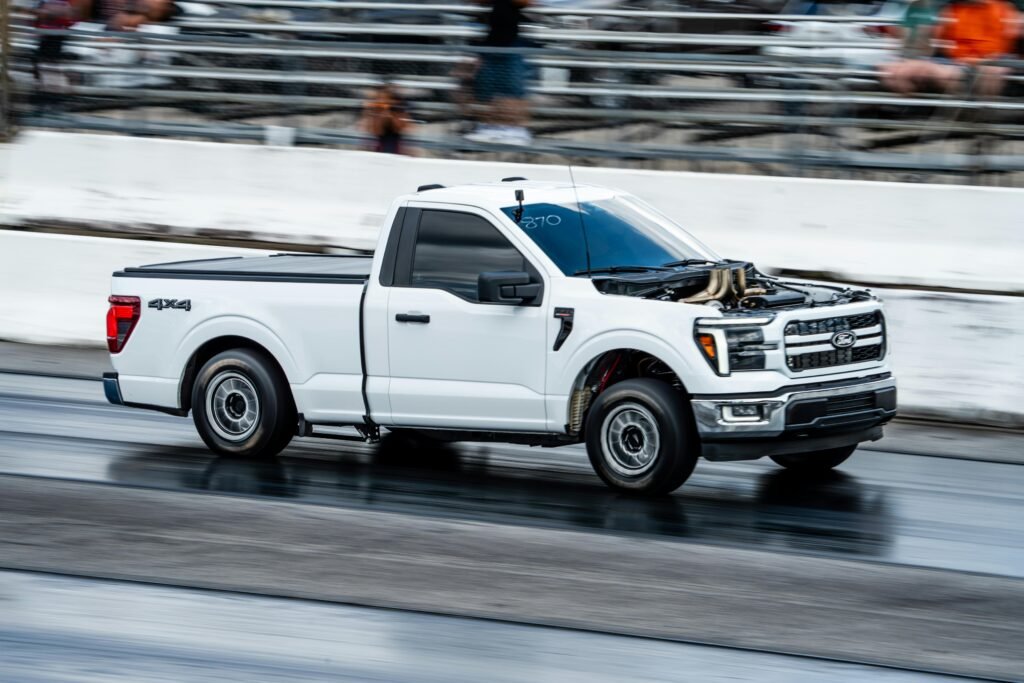
Heavy-duty pickups like the Ford F-250 and F-350, Chevy Silverado 2500 and 3500, and Ram 2500 and 3500 bridge this gap. These trucks offer significantly higher towing and payload capacities than light-duty models, often feature available diesel engines, and can handle serious work while remaining practical for personal use.
However, they come with tradeoffs. They cost significantly more than light-duty pickups, fuel economy suffers considerably, and the ride quality is often harsher due to heavy-duty suspension components. You may need a commercial driver’s license depending on how you use them and what you’re towing.
Common Misconceptions About Pickups and Trucks
Several myths persist about these vehicles that deserve clarification.
“Bigger is Always Better”
Many buyers assume they need the largest truck available, but oversized vehicles waste money on capability you don’t use, consume more fuel, and are harder to maneuver and park. Buy the truck that matches your actual needs, not your imagined worst-case scenario that might happen once every five years.
“Trucks Are Only for Work”
Modern pickups serve as excellent family vehicles, offering more cargo space than SUVs, better towing capacity for campers and boats, and comparable comfort and technology. Many buyers choose pickups for lifestyle reasons rather than work requirements.
“Diesel is Always Worth It”
Diesel engines make sense if you regularly tow heavy loads or drive high annual mileage. However, diesel options cost thousands more upfront, require more expensive maintenance, and may not save money for drivers who don’t utilize their advantages.
“Four-Wheel Drive is Essential”
While four-wheel drive helps in specific situations like off-roading or severe weather, many truck buyers never engage it. If you live in a moderate climate and drive primarily on paved roads, two-wheel drive costs less, weighs less, and offers better fuel economy.
Environmental Considerations: Pickup or Truck Impact
Vehicles in the pickup and truck categories face increasing scrutiny regarding their environmental impact.
Traditional pickups with V8 engines consume significant fuel and produce higher emissions than passenger cars. However, the industry is responding. Manufacturers now offer turbocharged V6 engines that deliver V8 power with better efficiency, hybrid powertrains that significantly reduce fuel consumption, and electric pickups that eliminate direct emissions entirely.
The Ford F-150 Lightning, Rivian R1T, GMC Hummer EV, and Chevrolet Silverado EV represent the new generation of electric pickups. These vehicles offer impressive performance, lower operating costs, and reduced environmental impact while maintaining truck capability.
For commercial trucks, the transition is slower but underway. Electric delivery vans are becoming common, and several manufacturers are developing electric semi-trucks for regional and eventually long-haul operations.
Making Your Final Decision
When faced with the pickup or truck question, start by honestly assessing your needs. What will you haul or tow regularly? How often will you use the truck for actual truck tasks versus commuting? What’s your realistic budget including fuel, insurance, and maintenance?
Test drive multiple options. A truck that looks great on paper might not feel right in person. Pay attention to visibility, ride comfort, and how the vehicle fits your daily routine.
Don’t buy more truck than you need just because you think you might need it someday. It’s usually cheaper to rent a larger truck for that rare heavy-duty job than to daily drive and fuel a vehicle whose capabilities you rarely use.
Remember that the best pickup or truck is the one that matches your actual requirements, fits your budget, and makes you happy every time you drive it.
The Bottom Line
The pickup or truck debate ultimately comes down to understanding what these terms mean and what you actually need from a vehicle.
For most people, “pickup truck” refers to light-duty models from manufacturers like Ford, Chevrolet, and Ram. These versatile vehicles handle work tasks while serving as comfortable daily drivers. They’re the right choice for homeowners, outdoor enthusiasts, and small business owners who need occasional hauling and towing capability.
Commercial trucks serve businesses with serious hauling requirements. Unless you’re running a company that regularly moves heavy freight or equipment, you probably don’t need one.
The modern pickup truck market offers incredible variety, from efficient four-cylinder engines to powerful diesels, from basic work trucks to luxury models rivaling premium cars. Whatever your needs, there’s likely a pickup that fits them perfectly.
Do your research, test drive your options, and choose based on your actual needs rather than what looks tough or what your neighbor drives. The right pickup or truck will serve you reliably for years to come.
Frequently Asked Questions
Is a pickup considered a truck?
Yes, a pickup is a type of truck. “Truck” is a broad category that includes pickups, commercial trucks, semi-trucks, and more. A pickup truck is specifically a light-duty truck with an open cargo bed.
What’s better for daily driving, a pickup or SUV?
Both work well for daily driving. Pickups offer more open cargo space and better towing capacity, while SUVs typically provide better fuel economy and enclosed cargo security. Choose based on whether you need a bed for hauling or prefer enclosed storage.
Do I need a special license to drive a pickup truck?
No, standard pickup trucks require only a regular driver’s license. You only need a commercial driver’s license (CDL) for vehicles exceeding certain weight ratings or when using the vehicle commercially in specific ways.
Are pickup trucks expensive to maintain?
Maintenance costs vary by model. Light-duty pickups cost about the same to maintain as comparable SUVs. Heavy-duty pickups and diesel engines typically cost more due to larger components and specialized fluids.
Can a pickup truck be a family vehicle?
Absolutely. Crew cab pickups offer spacious rear seating, modern safety features, and comfort comparable to SUVs. Many families choose pickups for their versatility and capability while still serving daily transportation needs.
#pickup-or-truck pickup-or-truck


Leave a Reply