
The Ultimate Guide to Slate Trucks Everything You Need to Know About Heavy-Duty Slate Transportation in 2026.

Slate Trucks When you’re standing in front of that stunning historic building with its gorgeous slate roof, or admiring the elegant slate flooring in a luxury home, you probably don’t think about the specialized trucks that made it all possible.
But here’s the reality: slate transportation is a precise science that requires specialized equipment, expert handling, and the right heavy-duty vehicles to get the job done safely.
Whether you’re a roofing contractor searching for reliable slate delivery options, a construction company manager planning a major project, or a homeowner curious about the logistics behind your dream slate roof—understanding slate trucks and their critical role in the supply chain can save you thousands of dollars and countless headaches.
What Exactly Is a Slate Truck? Understanding Specialized Stone Transportation
A slate truck isn’t just any pickup or flatbed you see on the highway. It’s a purpose-built or specially configured heavy-duty vehicle designed to transport one of nature’s most beautiful yet challenging materials: natural slate stone.
Slate is deceptively difficult to transport. Despite being incredibly durable once installed, slate is brittle and fragile during transport. It’s also extraordinarily heavy—natural roofing slate weighs between 800-1,500 pounds per square (100 square feet), while slate flooring tiles and slabs add up quickly to massive weights.
The Engineering Behind Slate Transportation Vehicles/Slate Trucks
Professional slate trucks typically feature:
Reinforced flatbed designs that can handle extreme weight distribution without sagging or warping over time.
Specialized tie-down systems with multiple anchor points to secure slate bundles and prevent shifting during transport.
Air ride suspension systems that minimize vibration and shock that could crack or damage slate during transit.
Heavy-duty payload capacities ranging from 10,000 to 80,000+ pounds depending on vehicle class and configuration.
Custom crating and protection systems including wooden A-frames, padded separators, and weatherproof coverings.
Why Standard Trucks Fail at Slate Transportation: The Costly Mistakes/Slate Trucks
Every year, construction companies and inexperienced haulers lose tens of thousands of dollars trying to transport slate in vehicles that simply aren’t up to the task.
The Weight Problem That Breaks Trucks/Slate Trucks
A single pallet of natural slate roofing tiles can weigh 3,000-4,000 pounds. Standard half-ton pickup trucks (F-150, Silverado 1500, Ram 1500) have payload capacities of only 1,500-2,300 pounds.
Do the math. Loading slate that exceeds your truck’s payload capacity doesn’t just void your warranty—it creates dangerous situations:
- Suspension collapse and frame damage
- Tire blowouts from excessive load
- Brake failure on steep grades
- Loss of steering control
- Catastrophic accidents
The Vibration Factor That Shatters Stone/Slate Trucks
Even if your truck can handle the weight, standard suspension systems transmit road vibrations directly to the cargo. Every pothole, railroad crossing, and rough patch of highway sends shock waves through improperly secured slate.
The result? You arrive at the job site with cracked, chipped, and unusable slate that must be replaced at your expense.
The Securing Challenge That Costs Fortunes
Slate bundles must be secured with precision. Too loose, and they shift dangerously during transport, potentially causing accidents or damage. Too tight, and the pressure cracks the slate before you even leave the loading dock.
Professional slate trucks use specialized ratchet straps, load bars, and cushioning systems that maintain perfect tension without damaging the cargo.
Types of Slate Trucks: Choosing the Right Vehicle for Your Project Scale/Slate Trucks
Different slate transportation needs require different vehicle solutions. Here’s how professionals match trucks to projects:
Heavy-Duty Pickup Trucks (1-Ton Class)
Best for: Small residential roofing projects, slate tile deliveries, DIY installations
Typical vehicles: Ford F-350/450, Ram 3500, Chevrolet Silverado 3500
Payload capacity: 4,000-7,000 pounds
Advantages: Maneuverability in residential areas, accessibility to tight job sites, lower operating costs
Limitations: Can only transport 1-2 pallets of slate per trip, not suitable for commercial-scale projects
Medium-Duty Box Trucks and Flatbeds/Slate Trucks
Best for: Medium-sized commercial roofing projects, flooring contractors, regional slate distributors
Typical vehicles: Isuzu NPR, Hino 258, Ford F-600
Payload capacity: 10,000-14,000 pounds
Advantages: Weather protection with enclosed boxes, ability to transport 3-5 pallets, lift gate options for easier unloading
Limitations: Requires commercial driver licensing in some states, higher fuel costs, limited to local/regional distances
Heavy-Duty Flatbed Trucks and Semi-Trailers
Best for: Large commercial projects, quarry-to-distributor transportation, long-distance slate delivery
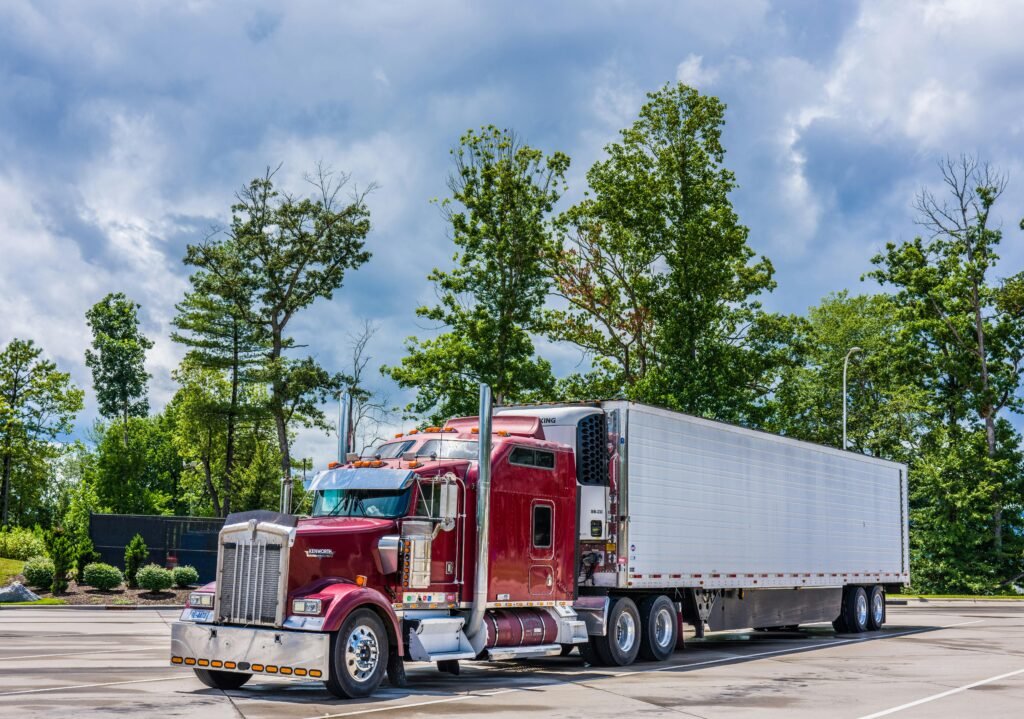
Typical vehicles: Freightliner, Peterbilt, Kenworth with flatbed or specialized stone trailers
Payload capacity: 40,000-80,000 pounds
Advantages: Maximum efficiency for bulk transportation, lowest per-pound delivery cost, ability to transport entire project loads
Limitations: Requires commercial driver’s license (CDL), limited access to residential streets, higher initial cost
Specialized Slate Delivery Vehicles with Crane Systems/Slate Trucks
Best for: High-value architectural slate, direct-to-roof delivery, challenging access locations
Features: Truck-mounted cranes or boom lifts that can place slate bundles directly on rooftops or upper floors
Advantages: Eliminates manual handling and reduces breakage, faster installation timelines, safer for workers
Limitations: Higher delivery charges, requires experienced operators, not available in all markets
Critical Safety Considerations for Slate Truck Operations/Slate Trucks
Transporting slate isn’t just about having the right truck—it’s about following safety protocols that protect drivers, cargo, and everyone sharing the road.
Weight Distribution and Load Balancing/Slate Trucks
Improper weight distribution creates dangerous handling characteristics. Slate must be loaded:
- Centered over the axles to maintain proper weight distribution
- Secured from front to back to prevent forward shifting during braking
- Balanced side to side to avoid rollover risks during turns
Professional slate haulers use load calculators and axle weight scales to ensure every load meets Department of Transportation (DOT) regulations.Slate Trucks
Securement Requirements and Legal Compliance/Slate Trucks
Federal Motor Carrier Safety Administration (FMCSA) regulations require:
- Minimum of 2 tie-downs for loads up to 10 feet
- Additional tie-down every 10 feet of cargo length
- Working load limit ratings appropriate for cargo weight
- Edge protection to prevent strap damage
- Regular inspection of securement during transit
Violations result in hefty fines and can make you liable for damages if improperly secured slate causes an accident.
Driver Training and Experience Requirements
Hauling slate requires specialized knowledge that standard commercial drivers may lack:
- Understanding slate fragility and handling requirements
- Knowledge of proper loading and securement techniques
- Experience with heavy load vehicle dynamics
- Ability to select appropriate routes avoiding low bridges and weight-restricted roads
- Crisis management skills for handling shifting loads
The Economics of Slate Truck Transportation: Cost Factors You Must Understand
Slate delivery costs can represent 10-30% of your total project budget. Understanding the factors that drive these costs helps you negotiate better deals and avoid unexpected expenses.
Distance and Fuel Surcharges
Slate is heavy, and heavy loads consume fuel rapidly. Expect to pay:
- Local delivery (under 50 miles): $150-$400 per load
- Regional delivery (50-200 miles): $400-$1,200 per load
- Long-distance delivery (200+ miles): $1,200-$3,000+ per load
Fuel surcharges fluctuate with diesel prices and can add 10-25% to base delivery rates.
Specialized Equipment Premiums
Standard flatbed delivery costs less than specialized slate transportation:
- Basic flatbed delivery: $2.00-$3.50 per loaded mile
- Air ride equipped trucks: $3.00-$4.50 per loaded mile
- Crane-equipped delivery vehicles: $4.50-$7.00 per loaded mile
The premium pays for equipment that dramatically reduces breakage and damage.
Waiting Time and Detention Fees
Most slate truck services include 1-2 hours of loading/unloading time. Beyond that, expect detention fees of $50-$150 per hour.
Pro tip: Have your job site prepared with clear access, designated unloading zones, and adequate labor to minimize detention charges.
Breakage Insurance and Liability Coverage
Reputable slate transportation companies carry cargo insurance covering damage during transit. However, verify:
- Coverage limits (should match or exceed cargo value)
- Deductible amounts
- Exclusions for improper packaging or loading
- Claims process and documentation requirements
Cheap slate delivery often means inadequate insurance—and you’ll pay the difference when slate arrives damaged.
Seasonal Demand and Pricing Fluctuations
Roofing season (spring through fall) creates peak demand for slate trucks, driving prices up 15-35% compared to winter months.
Strategic contractors order slate during off-peak periods and arrange storage to capture lower transportation rates.
Finding Reliable Slate Truck Services: Your Vetting Checklist
Not all slate haulers are created equal. Use this checklist to separate professionals from amateurs:
Essential Questions to Ask Before Hiring
“What’s your experience specifically with slate transportation?” (General freight haulers lack specialized knowledge)
“What type of trucks and equipment do you use?” (Verify they have appropriate vehicles and securement systems)
“Can you provide references from recent slate delivery projects?” (Contact references to verify reliability and professionalism)
“What insurance coverage do you carry?” (Confirm adequate cargo and liability insurance)
“What’s your breakage rate?” (Professional services should have breakage rates under 2-3%)
“How do you handle weather delays or schedule changes?” (Understand their flexibility and communication protocols)

Red Flags That Scream “Find Another Hauler”
- Quotes significantly below market rates (they’re cutting corners somewhere)
- Inability to provide insurance certificates or DOT numbers
- Vague answers about equipment and experience
- No written contract or terms of service
- Poor communication or unprofessional behavior
- Negative reviews mentioning damaged cargo or reliability issues
Documentation You Should Always Receive
Professional slate transportation services provide:
- Detailed quote specifying all charges, terms, and responsibilities
- Bill of lading documenting what was loaded and its condition
- Proof of insurance with you listed as certificate holder
- Delivery confirmation with notation of any damage or shortages
- Invoice matching the original quote with transparent charges
Maximizing Value: How to Reduce Slate Transportation Costs Without Sacrificing Quality
Smart planning can slash your slate delivery expenses without compromising cargo safety:
Consolidate Shipments for Volume Discounts
Instead of multiple small deliveries, order full truckloads. Haulers offer significant discounts for maximum capacity loads because they maximize revenue per trip.
A single full-load delivery might cost $1,500, while three partial loads could total $2,400 for the same amount of slate.
Flexible Scheduling Reduces Rush Charges
Need-it-tomorrow deliveries cost 25-50% more than planned deliveries with 1-2 weeks notice. Build slack into your project timeline to avoid emergency delivery premiums.
Direct Quarry Sourcing Eliminates Middlemen
Buying directly from slate quarries or manufacturers often includes discounted or free delivery because they control their own transportation fleets.
Distributors and retailers typically outsource delivery and pass those costs (plus markup) to you.
Establish Relationships with Local Haulers
Regular customers receive preferential pricing, scheduling priority, and better service. If you do frequent slate projects, develop ongoing relationships with 2-3 reliable haulers.
Proper Site Preparation Eliminates Detention Fees
Have your delivery location ready before the truck arrives:
- Clear access to unloading zone
- Forklift or equipment standing by if needed
- Adequate labor for manual unloading
- Designated storage area prepared
- Clear communication about unloading procedures
The Future of Slate Transportation: Innovations Transforming the Industry
The slate truck industry is evolving with technology that improves efficiency and reduces costs:
GPS Tracking and Real-Time Delivery Updates
Modern slate transportation companies provide customers with:
- Real-time truck location tracking
- Automated delivery time estimates
- Instant notification of delays or issues
- Proof of delivery with photo documentation
Advanced Load Monitoring Systems
Sensors detect cargo shifting, excessive vibration, or impacts during transit, alerting drivers to stop and inspect the load before damage occurs.
Electric and Hybrid Heavy-Duty Trucks
As electric truck technology matures, slate haulers are beginning to adopt electric vehicles for local deliveries, reducing fuel costs and environmental impact.
Automated Route Optimization
AI-powered routing software identifies optimal routes considering:
- Bridge weight restrictions
- Low-clearance obstacles
- Road surface quality
- Traffic patterns and construction zones
- Weather conditions
This technology reduces transit time and minimizes vibration exposure to slate cargo.
Making the Smart Choice: Your Slate Transportation Decision Framework
Let’s bring this all together with a clear decision-making framework:
For small residential projects (1-3 squares of roofing slate): Rent a heavy-duty pickup or hire a local contractor with appropriate equipment. Cost: $200-$500 including transportation.
For medium commercial projects (5-20 squares): Contract with regional slate distributors who provide delivery services. Their established logistics and volume pricing offer best value. Cost: $500-$1,500.
For large commercial or institutional projects (20+ squares): Work directly with quarries or manufacturers who can arrange full truckload deliveries. Consider crane-equipped trucks for rooftop delivery. Cost: $1,500-$4,000+.
For ongoing slate work (contractors and builders): Develop relationships with 2-3 specialized slate haulers. Negotiate volume pricing contracts with scheduled delivery slots. This approach provides consistency, reliability, and best long-term pricing.
Your Path Forward: Taking Action on Slate Transportation
Whether you’re planning your first slate project or you’re a seasoned contractor looking to optimize logistics, the right slate truck strategy makes the difference between profit and loss, success and disaster.
The stakes are high. Damaged slate means project delays, cost overruns, and unhappy clients. Inadequate transportation creates safety hazards and legal liability.
But with the knowledge you’ve gained here, you’re equipped to:
- Choose appropriate vehicles for your project scale
- Vet transportation providers effectively
- Negotiate fair pricing with confidence
- Avoid costly mistakes that plague inexperienced buyers
- Ensure your valuable slate arrives intact and on schedule
Start by evaluating your specific project requirements. Calculate the total weight of slate you need to transport. Research local slate haulers and request detailed quotes. Verify their equipment, insurance, and experience.
Your beautiful slate project begins with smart transportation decisions. The right slate truck service partner becomes an invaluable asset to your success, not just another vendor.
Don’t let inadequate transportation undermine your vision. Take control of your slate logistics, and watch your project come together flawlessly.
About Slate Transportation:
The slate industry encompasses natural stone quarrying, processing, distribution, and installation. This article provides general information about slate transportation logistics and should not be considered professional advice for your specific situation. Always consult with qualified transportation specialists, structural engineers, and roofing professionals when planning slate projects. Local regulations, weight restrictions, and licensing requirements vary by jurisdiction.


Leave a Reply